Mike Phillips
Active member
- Dec 5, 2022
- 51,004
- 8
How to use Meguiar's Unigrit Sanding Blocks to remove runs and dirt nibs in paint
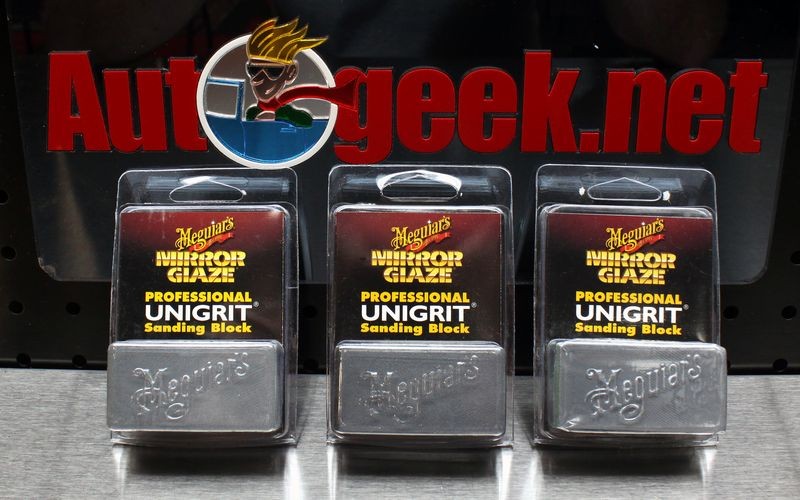
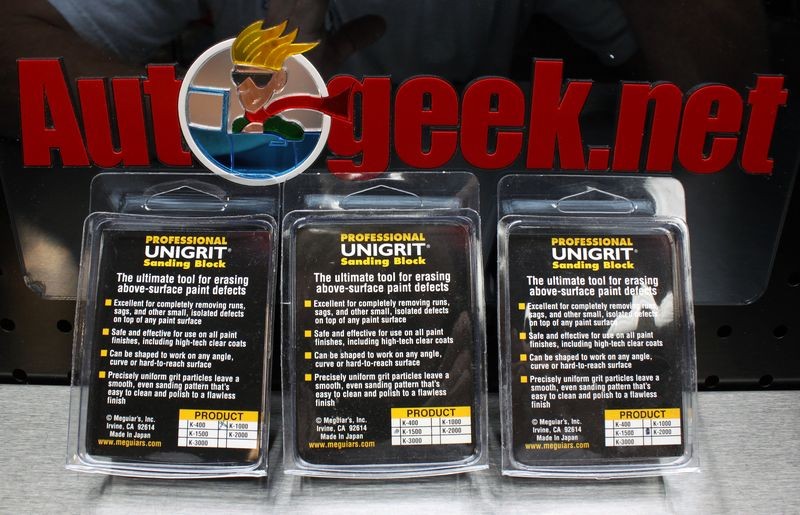
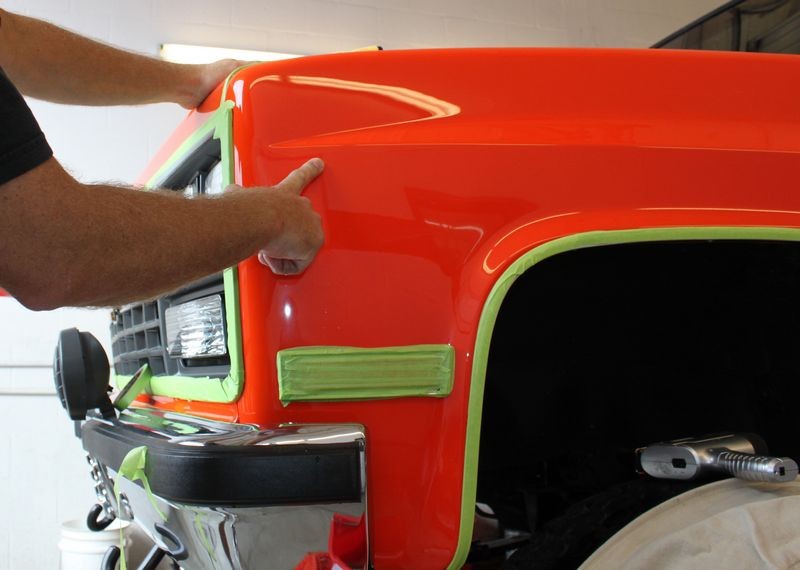
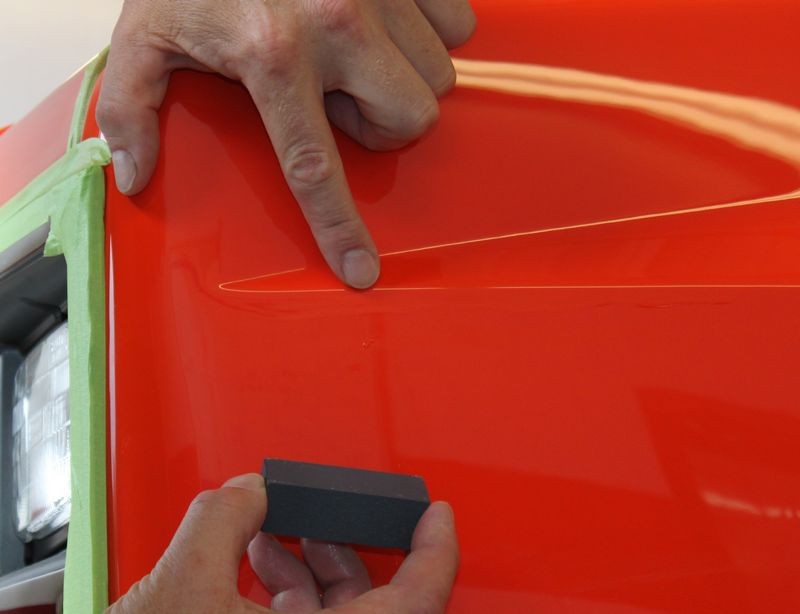
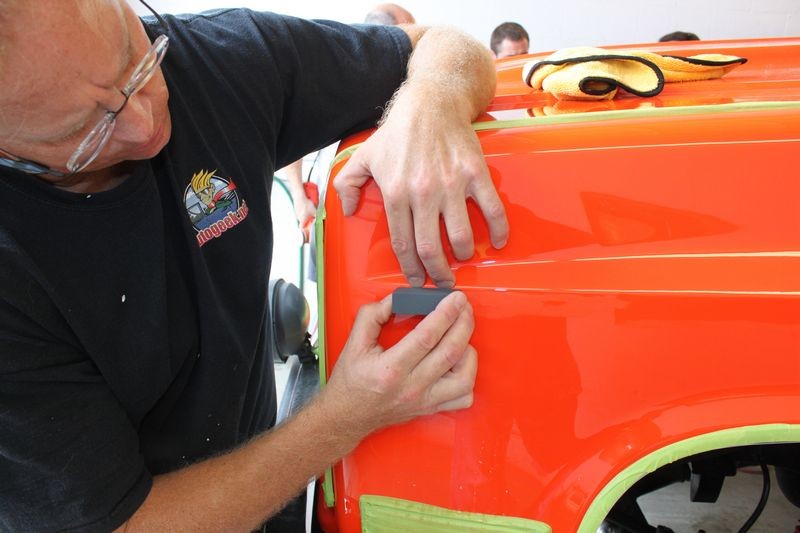
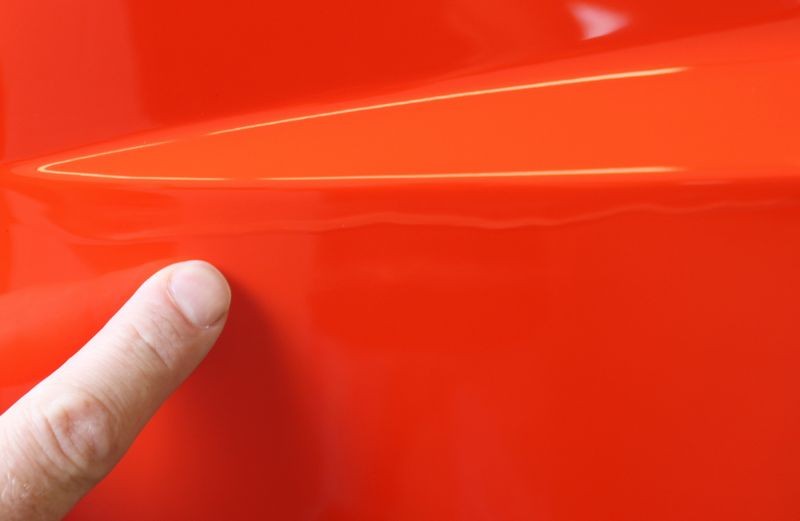
Meguiar's Unigrit Sanding blocks are solid blocks of precise, uniform grit particles that can be used to remove above surface paint defects like runs, sags and dirt nibs protruding out of the paint.
Dirt nibs = dirt particles or other contaminants that land or lodge into fresh paint before it hardens to dust free or tack free.
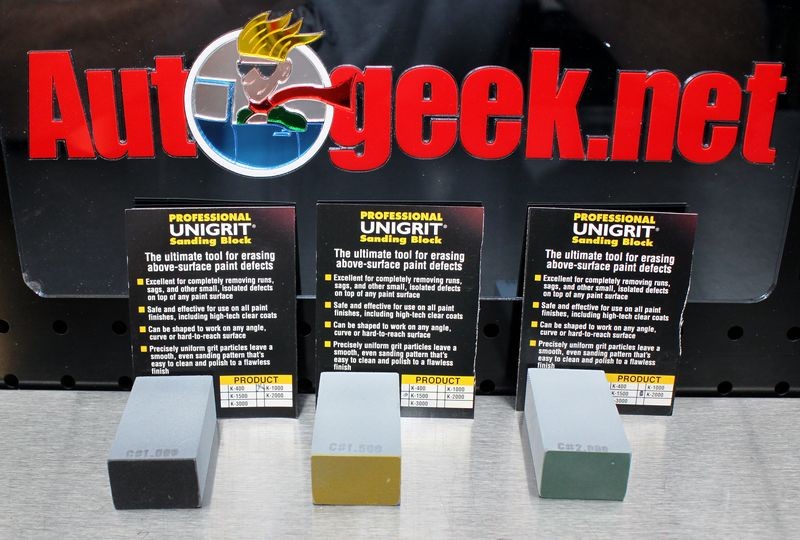
Meguiar's Unigrit Sanding Blocks are available in 3 different levels of aggressiveness.
#1000
#1500
#2000


Dressing or shaping Unigrit Sanding Blocks
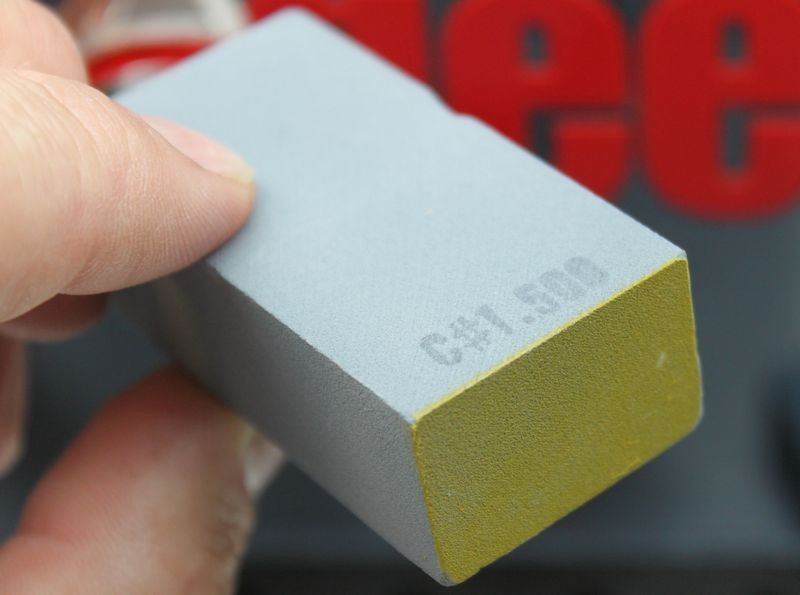
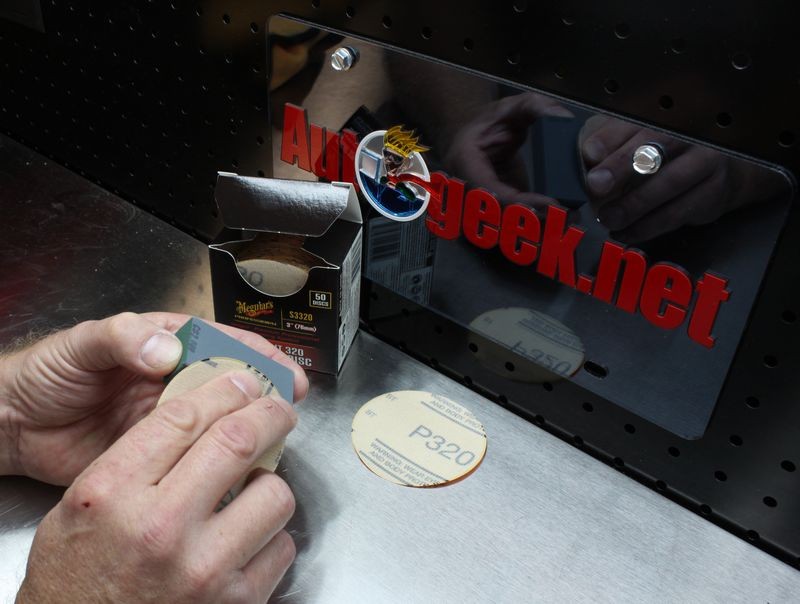
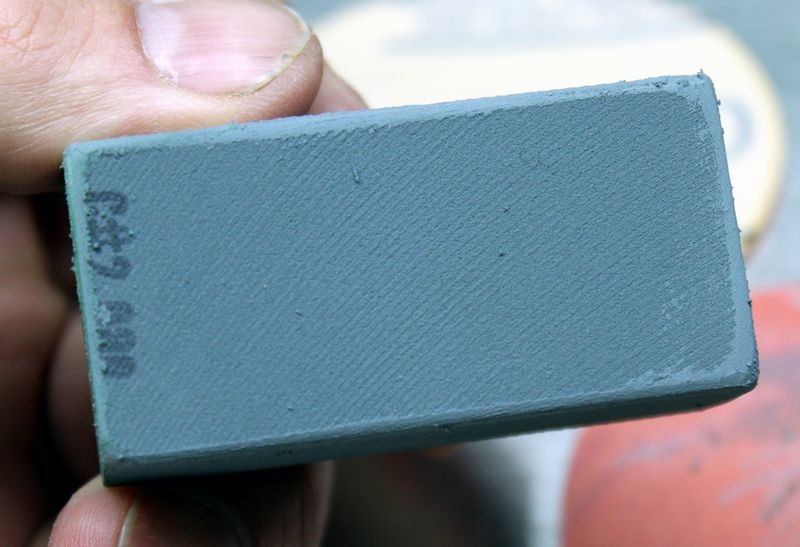
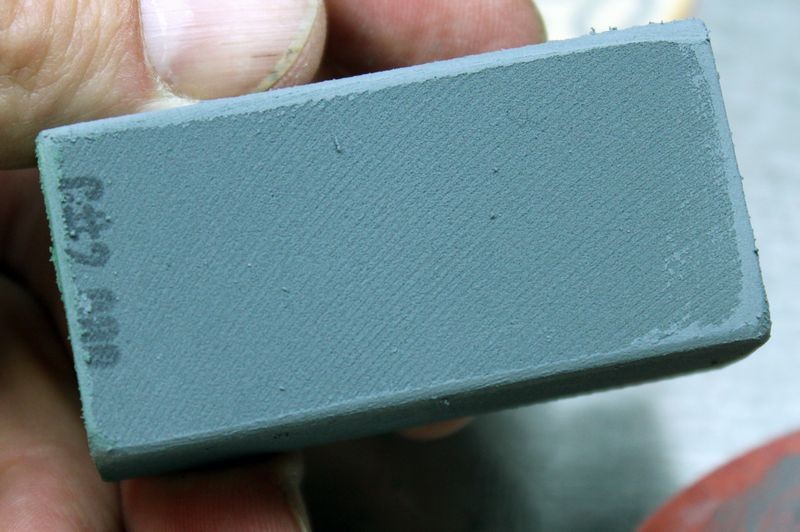
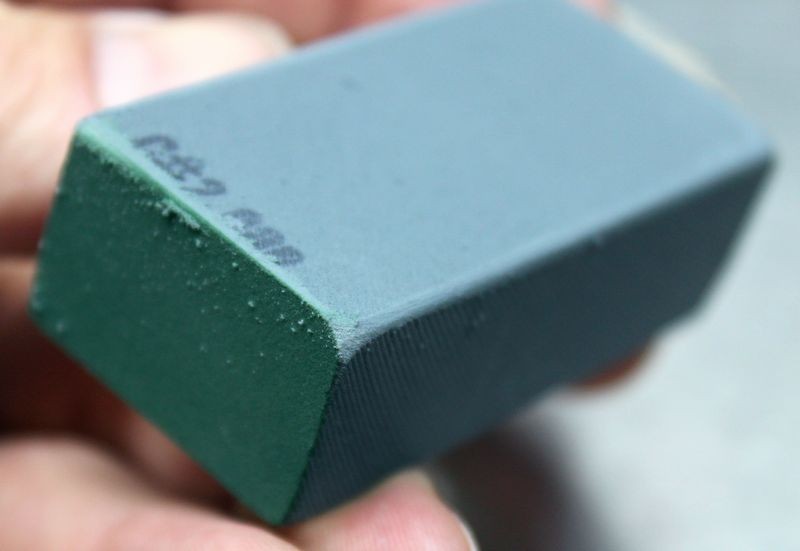
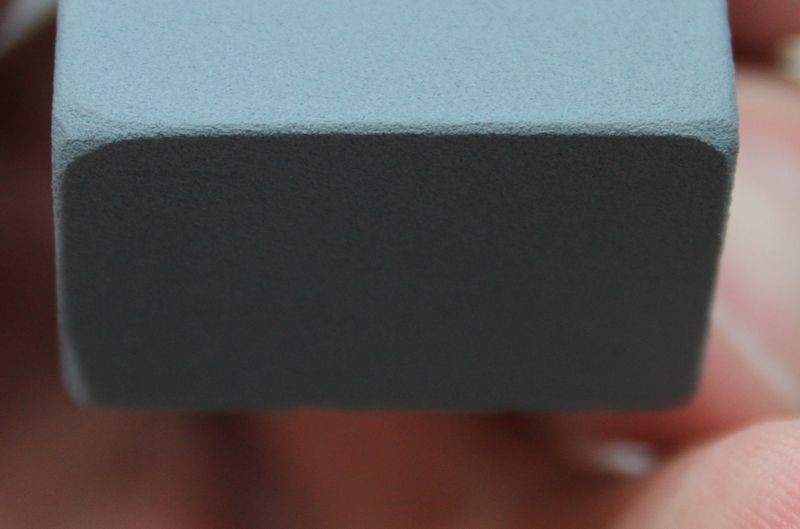
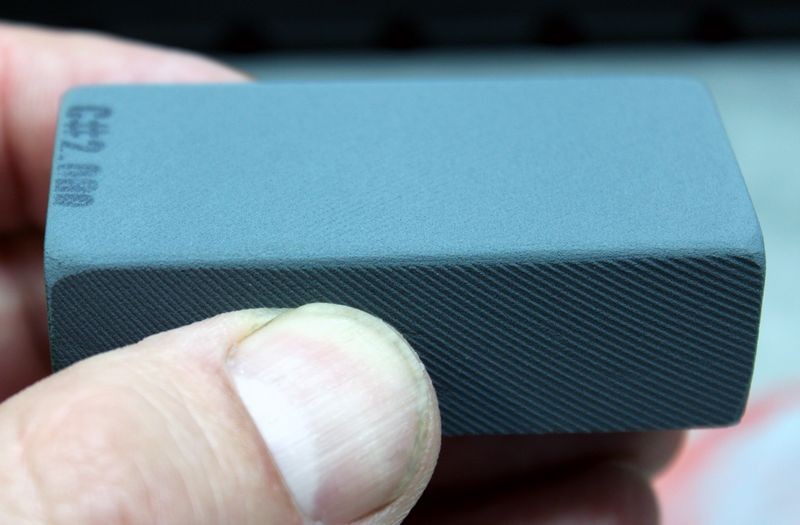
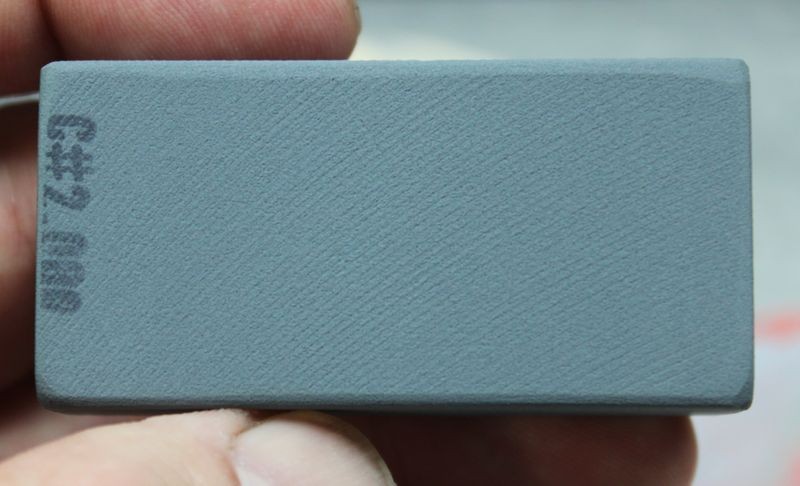
Before using a Unigrit Sanding Block, knock down the sharp edges by rounding them off this will prevent you from gouging or scratching the paint. Remember, if you're working on fresh paint, (whee these sanding blocks are normally used), the paint will tend to still be soft as it hasn't fully dried and hardened.
To dress your Unigrit Sanding Blocks you can use a more aggressive sheet of sanding paper to round the edges.




Rinse off grit particles
After dressing your Unigrit Sanding Blocks, it's a good idea to rinse them off before placing them in your bucket of water to prevent contaminating your water source.

Soak before use
Before using Meguiar's Unigrit Sanding blocks first soak them in clean water until they sink. This is a sign that the blocks have completely saturated throughout with water.
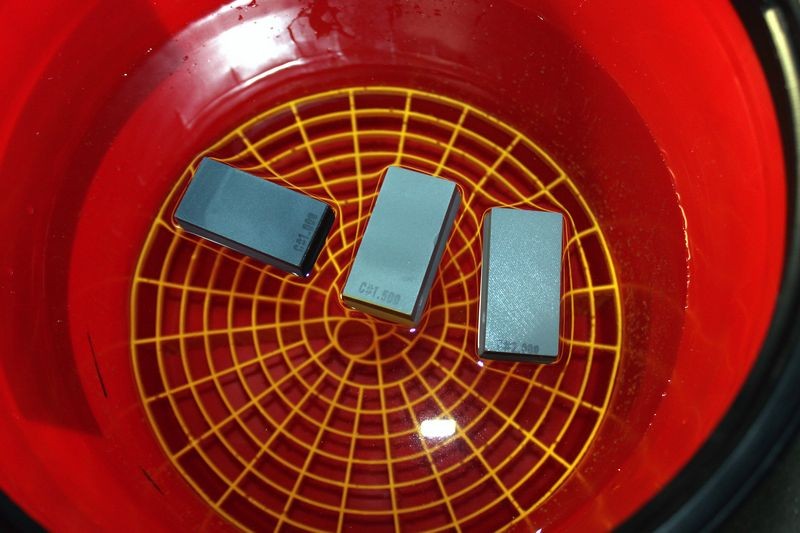
Keep your Unigrit Sanding Blocks in a bucket of water when using them so you can quickly and easily dunk the blocks into the water and rinse any particles off as you're using them. When not in use, Meguiar's Unigrit Sanding Blocks can stored in water to keep them saturated with water and ready to use. Change your water often to help prevent contamination.
Lubrication
You can add a few drops of soap to increase lubricity in the water. If working in a body shop (fresh paint environment), be sure to use a body shop safe soap.

Grit Guard Inserts
To trap any loosened particles of paint or grit particles that wear off the Unigrit Sanding Blocks you can place a Grit Guard Insert in the bottom of your bucket. Some people even use two Grit Guard Inserts to help ensure any abrasive particles on the bottom of the bucket don't migrate.
:xyxthumbs:
Meguiar's Unigrit Sanding blocks are solid blocks of precise, uniform grit particles that can be used to remove above surface paint defects like runs, sags and dirt nibs protruding out of the paint.
Dirt nibs = dirt particles or other contaminants that land or lodge into fresh paint before it hardens to dust free or tack free.
Meguiar's Unigrit Sanding Blocks are available in 3 different levels of aggressiveness.
#1000
#1500
#2000
Dressing or shaping Unigrit Sanding Blocks
Before using a Unigrit Sanding Block, knock down the sharp edges by rounding them off this will prevent you from gouging or scratching the paint. Remember, if you're working on fresh paint, (whee these sanding blocks are normally used), the paint will tend to still be soft as it hasn't fully dried and hardened.
To dress your Unigrit Sanding Blocks you can use a more aggressive sheet of sanding paper to round the edges.
Rinse off grit particles
After dressing your Unigrit Sanding Blocks, it's a good idea to rinse them off before placing them in your bucket of water to prevent contaminating your water source.
Soak before use
Before using Meguiar's Unigrit Sanding blocks first soak them in clean water until they sink. This is a sign that the blocks have completely saturated throughout with water.
Keep your Unigrit Sanding Blocks in a bucket of water when using them so you can quickly and easily dunk the blocks into the water and rinse any particles off as you're using them. When not in use, Meguiar's Unigrit Sanding Blocks can stored in water to keep them saturated with water and ready to use. Change your water often to help prevent contamination.
Lubrication
You can add a few drops of soap to increase lubricity in the water. If working in a body shop (fresh paint environment), be sure to use a body shop safe soap.
Grit Guard Inserts
To trap any loosened particles of paint or grit particles that wear off the Unigrit Sanding Blocks you can place a Grit Guard Insert in the bottom of your bucket. Some people even use two Grit Guard Inserts to help ensure any abrasive particles on the bottom of the bucket don't migrate.
:xyxthumbs:













 rops:
rops: